Michael Bücker
  • Home
  • Portfolio
  • Publikationen
  • CV
  • Blog
  • EN
Categories
All (12)
AI (3)
AI Agents (4)
AI-Act (1)
APIs (1)
Automation (1)
Bundestag (1)
Data Science (1)
DataScience (6)
Didactics (3)
Embeddings (1)
Football (2)
Forecasting (1)
FoundationModels (1)
Governance (2)
LLMs (5)
MachineLearning (2)
NLP (1)
OpenData (1)
Programming (2)
Python (2)
R (7)
RAG (1)
Simulation (2)
Statistics (3)
Strategy (1)
TabularData (1)
Teaching (3)
Transformation (1)

Blog

Notes on data science, AI, and applied analytics
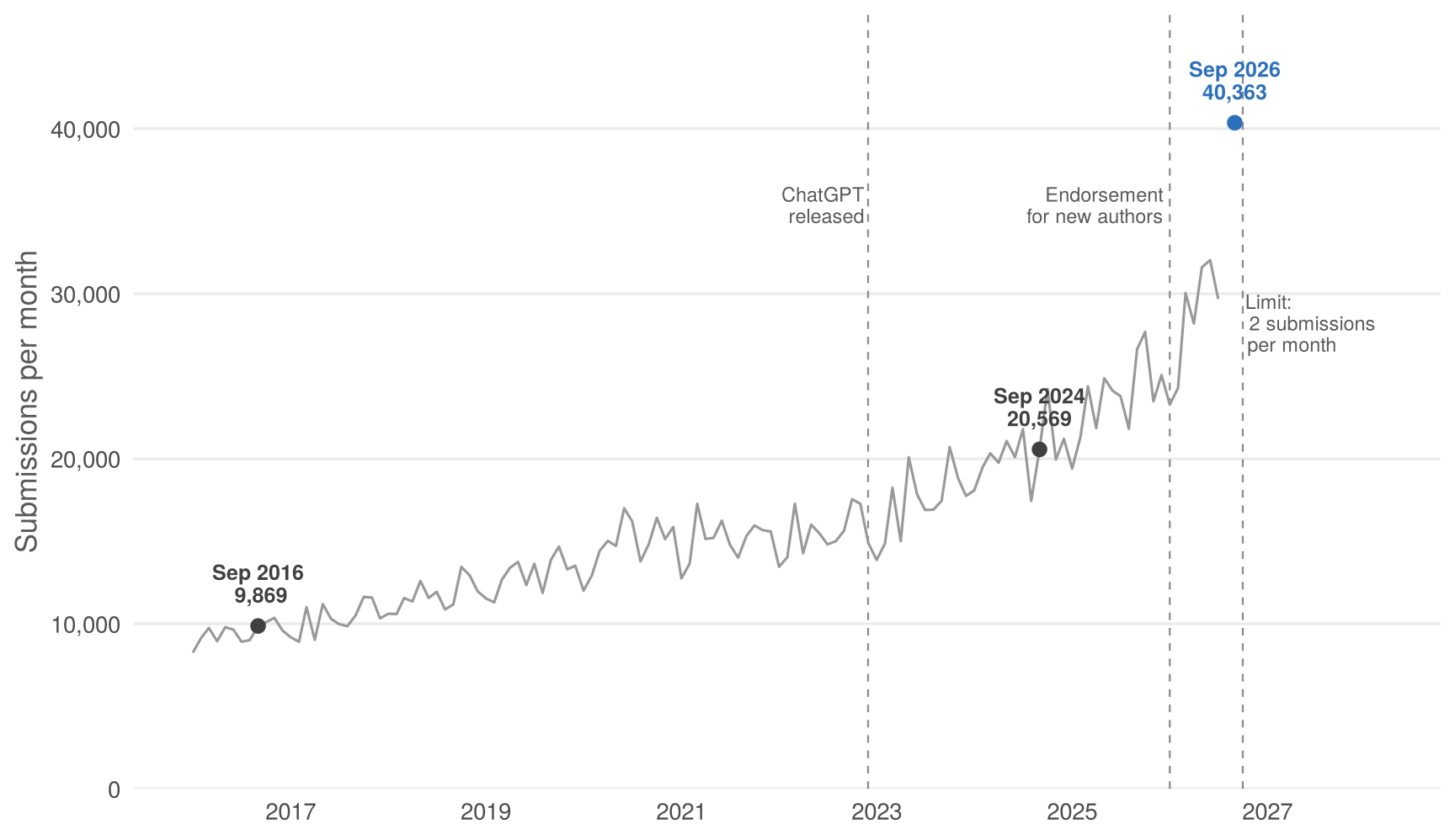
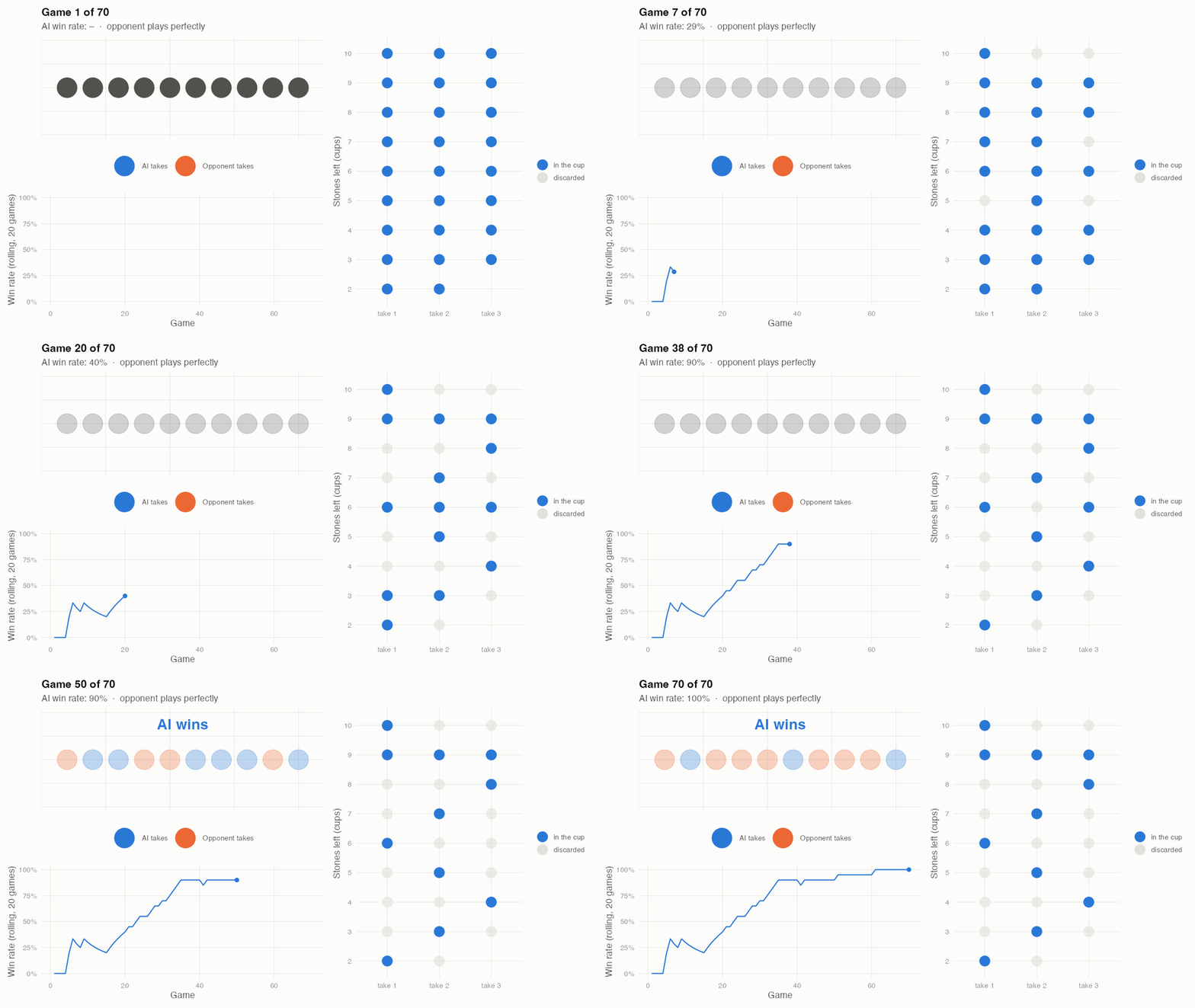
Animation of cup learning against a perfect opponent. Stones are removed from the board on the left, the win rate climbs from zero to 100 per cent underneath, and on the right chips in the cup grid gradually turn pale until almost every cup holds a single chip.

Reinforcement Learning with Cups and Chips

A learning machine you can touch.
AI
MachineLearning
Teaching
Didactics
Simulation
R

In our AI training courses we explain reinforcement learning with nine cups and a handful of chips. What happens in the room, and what the simulation has to say about it.

Sep 1, 2026
Michael Bücker

Where Does an AI Agent’s Memory Actually Live?

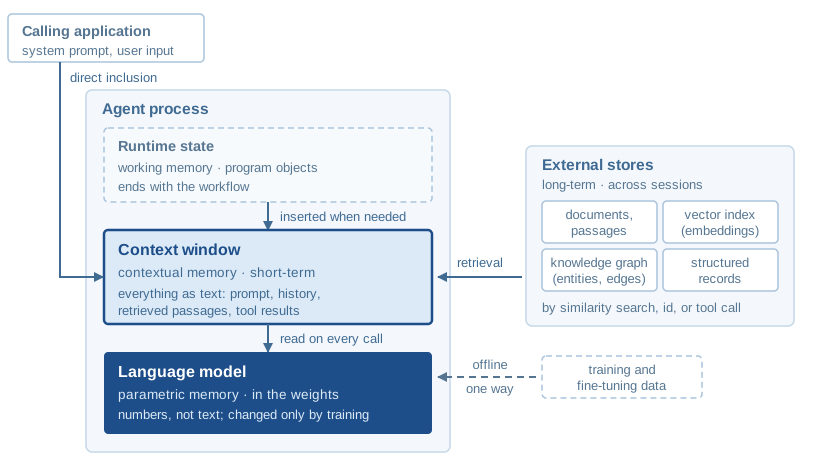
A taxonomy built on four questions: where information sits, in what form, how it reaches the model, and how long it survives.
AI Agents
LLMs
RAG
Governance

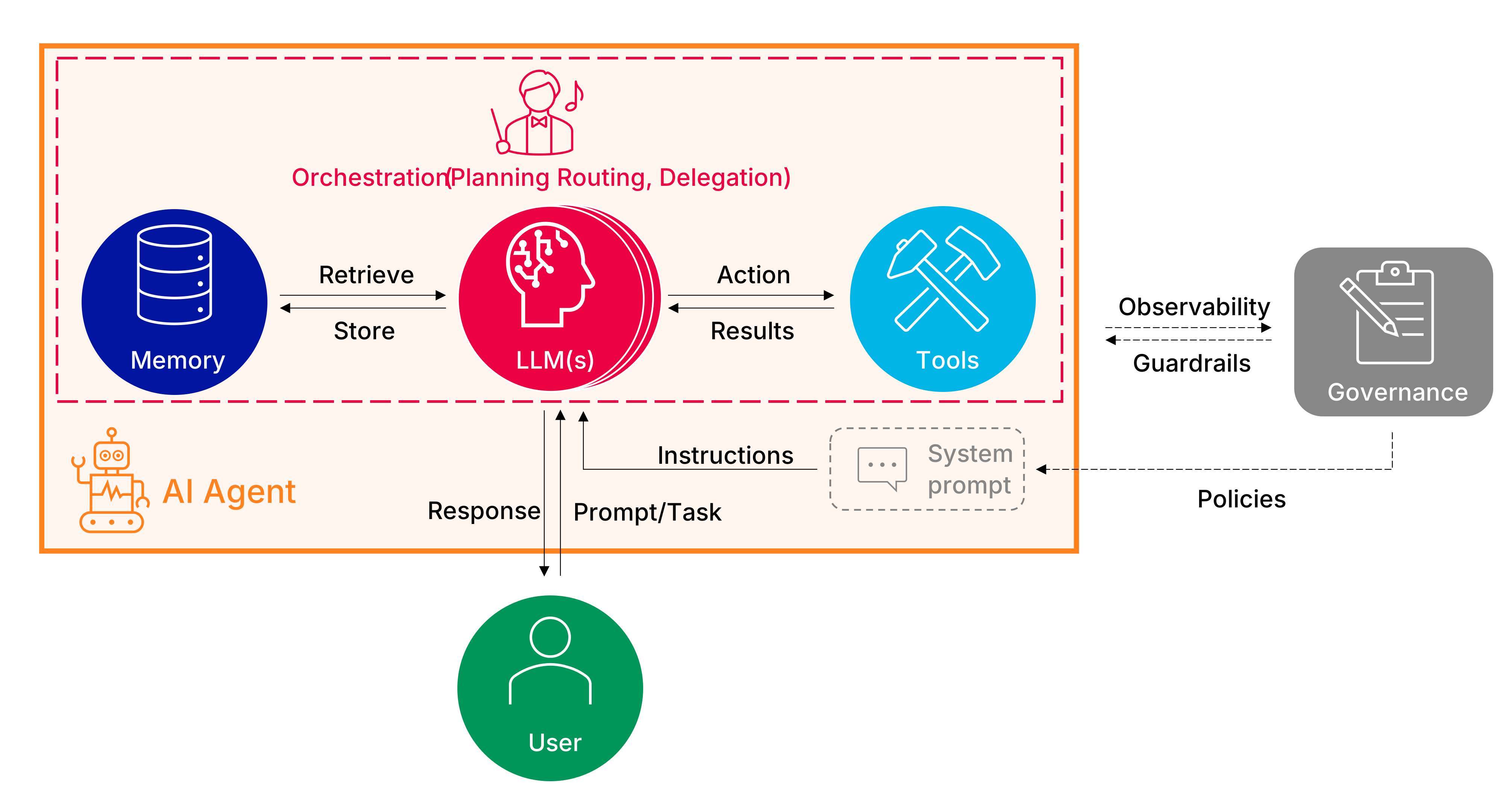
Memory in agentic systems is not a single place. A practical taxonomy of four questions, and the one location with no way back out.

Aug 6, 2026
Michael Bücker

Use Cases Are the Beginning, Not the Goal

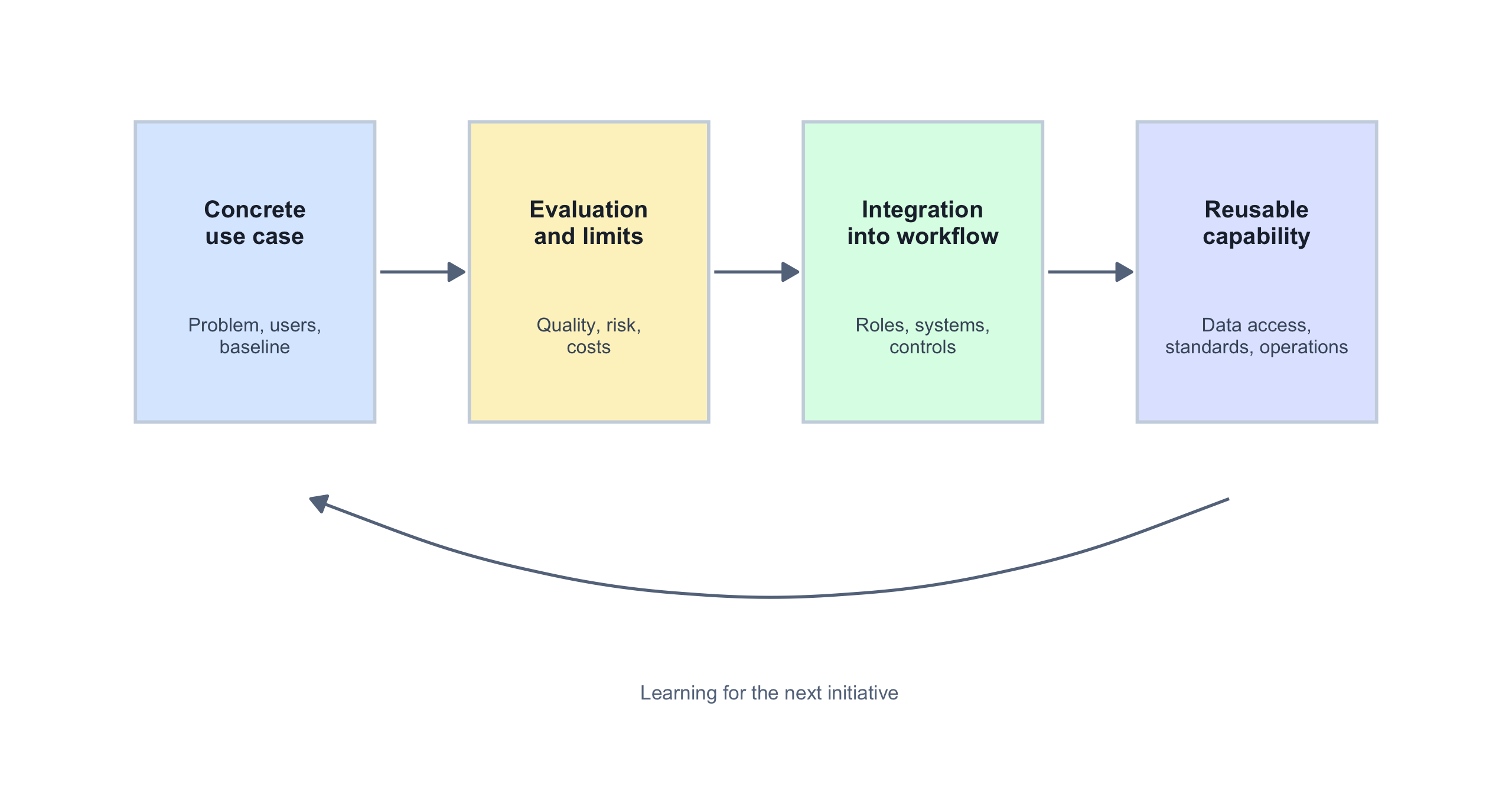
How concrete AI projects can gradually build organizational capabilities.
AI
Data Science
Transformation
AI Agents
Governance

Why concrete AI use cases are a useful starting point, and how companies can turn them into reusable organizational capabilities.

Jul 17, 2026
Michael Bücker

TabFM, TabPFN, and TabICL: Do Tabular Foundation Models Replace Classical Machine-Learning Models?

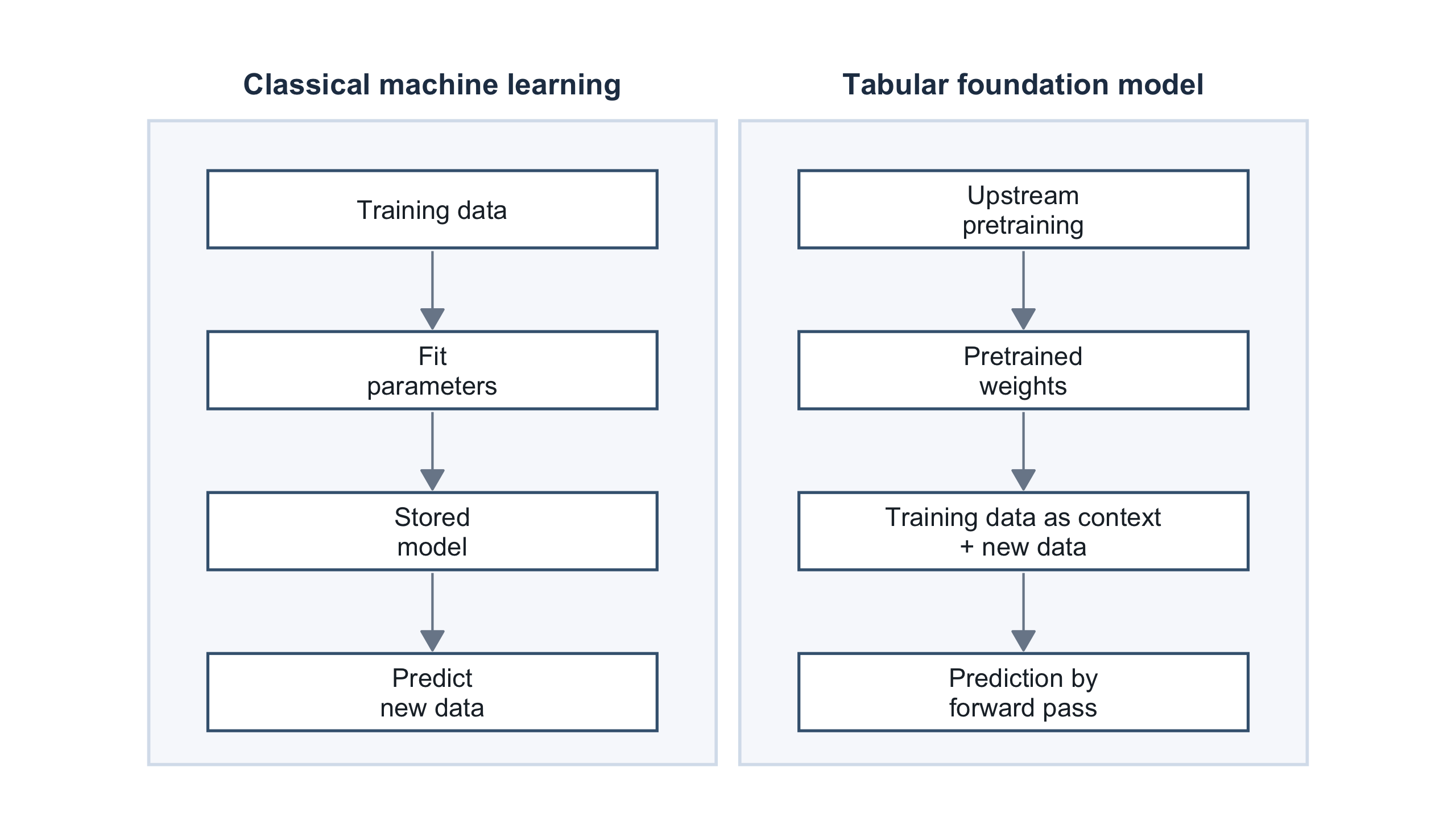
How TabPFN, TabICL, and TabFM change model selection, and why classical methods remain relevant.
DataScience
MachineLearning
R
Python
TabularData
FoundationModels
Statistics
TabPFN, TabICL, and Google’s TabFM challenge classical models on tabular data. What does this mean for model selection, interpretability, operations, and teaching?

Jul 7, 2026
Michael Bücker

Three Types of AI Agents

A practical taxonomy from conversational support to delegated tasks and organizational workflows.
AI Agents
LLMs
Automation
Strategy

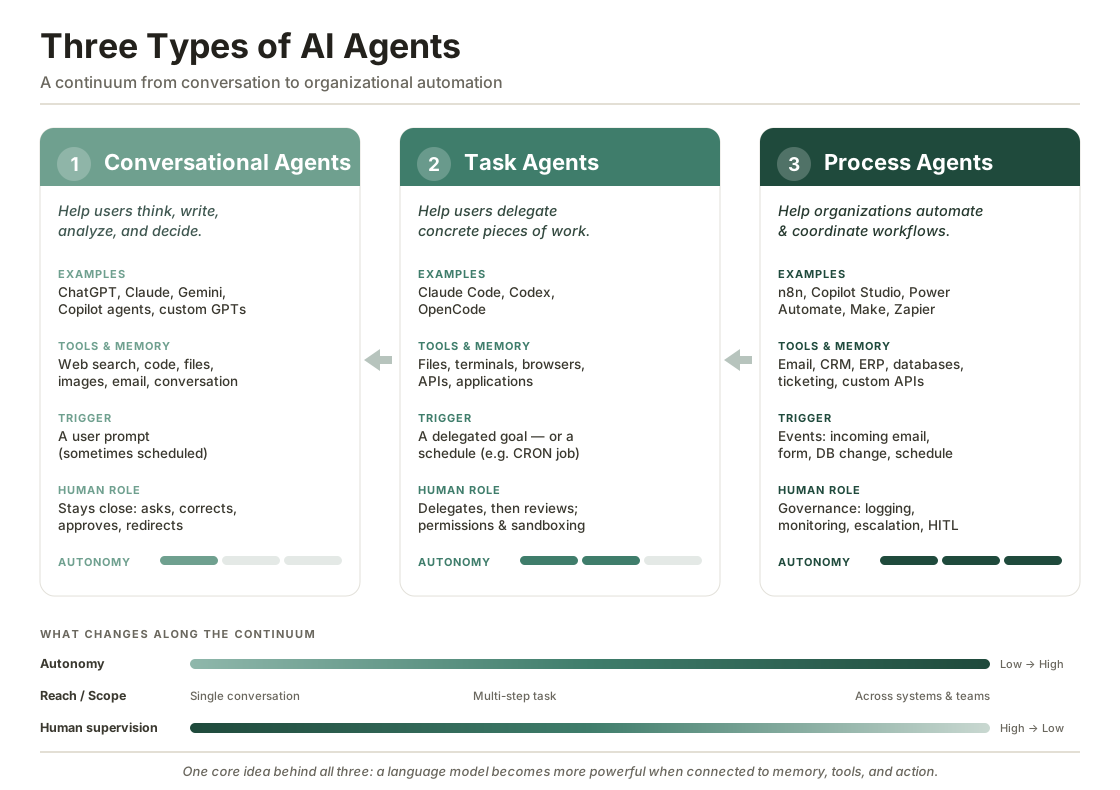
A practical taxonomy of conversational agents, task agents, and process agents, focusing on autonomy, tools, triggers, supervision, and governance.

Jul 2, 2026
Michael Bücker

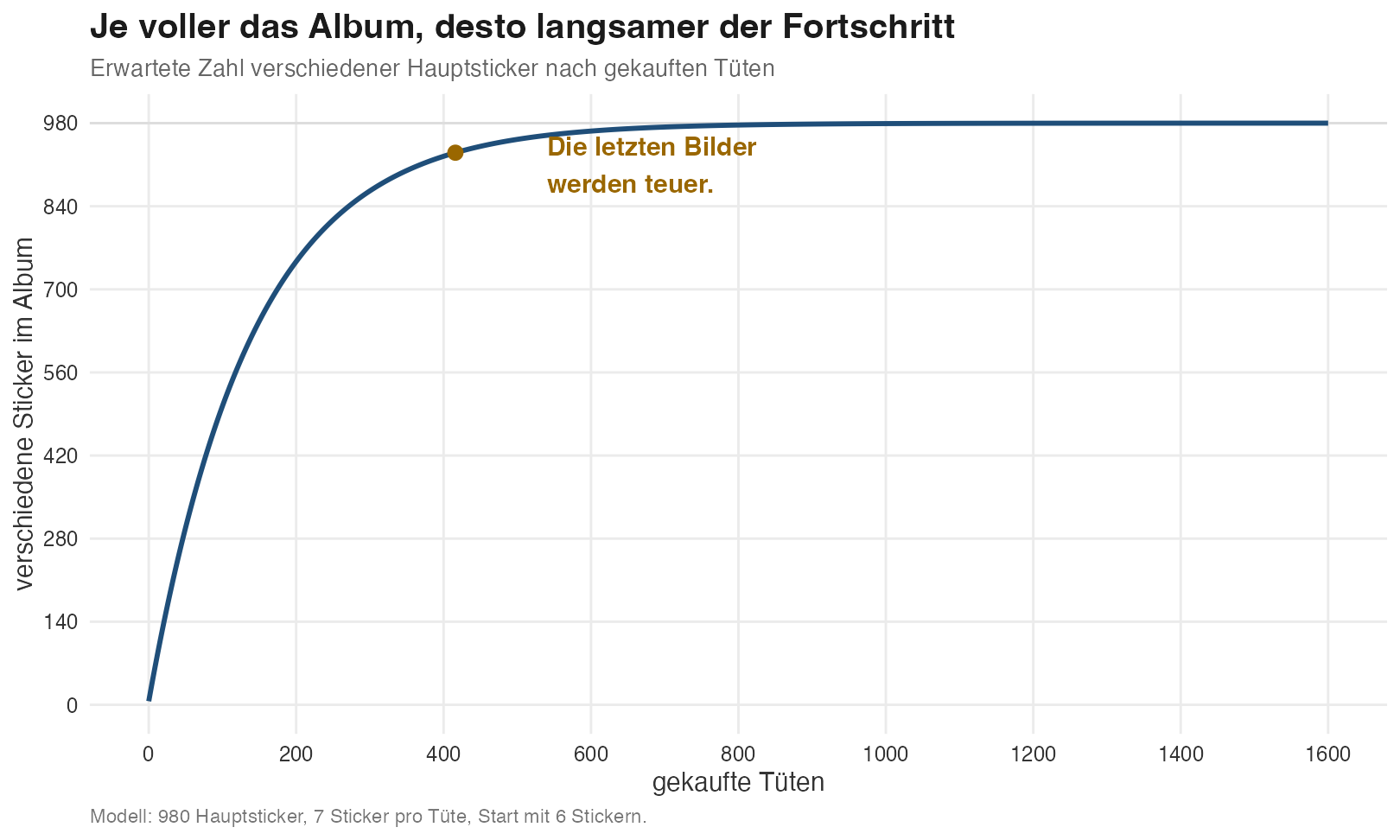
Line chart of the expected number of distinct stickers in the album against the number of packs bought. The curve rises steeply at first and then slowly approaches the total of 980 stickers.

World Cup 2026: How Much Does a Panini Album Really Cost?

Why the last stickers are the most expensive.
DataScience
Statistics
Football
Simulation
R

A simulation of the Panini album for the 2026 World Cup: how expensive is collecting if you only buy packs, trade, or order missing stickers directly?

Jun 30, 2026
Michael Bücker

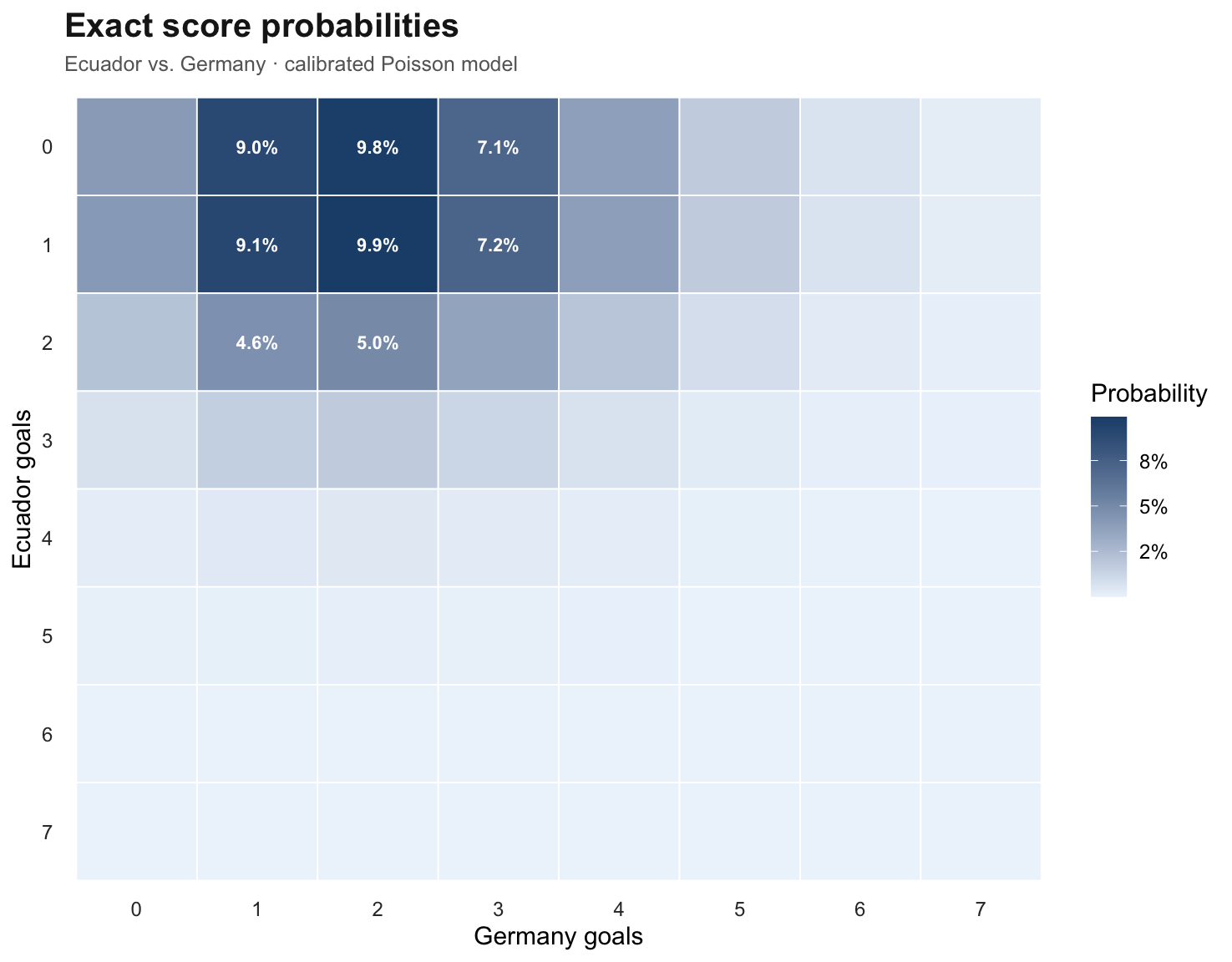
Heatmap of score probabilities for Ecuador against Germany. Rows show Ecuador goals from 0 to 7, columns show Germany goals from 0 to 7. The highest probabilities are at 1-2, 0-2, 1-1, and 0-1.

World Cup 2026: How a Statistician Predicts Football Scores

Why the most likely score is not always the best pick.
DataScience
Statistics
Football
Forecasting
R
A statistical and slightly tongue-in-cheek look at turning betting odds, Poisson distributions, and expected values into football score predictions.

Jun 25, 2026
Michael Bücker

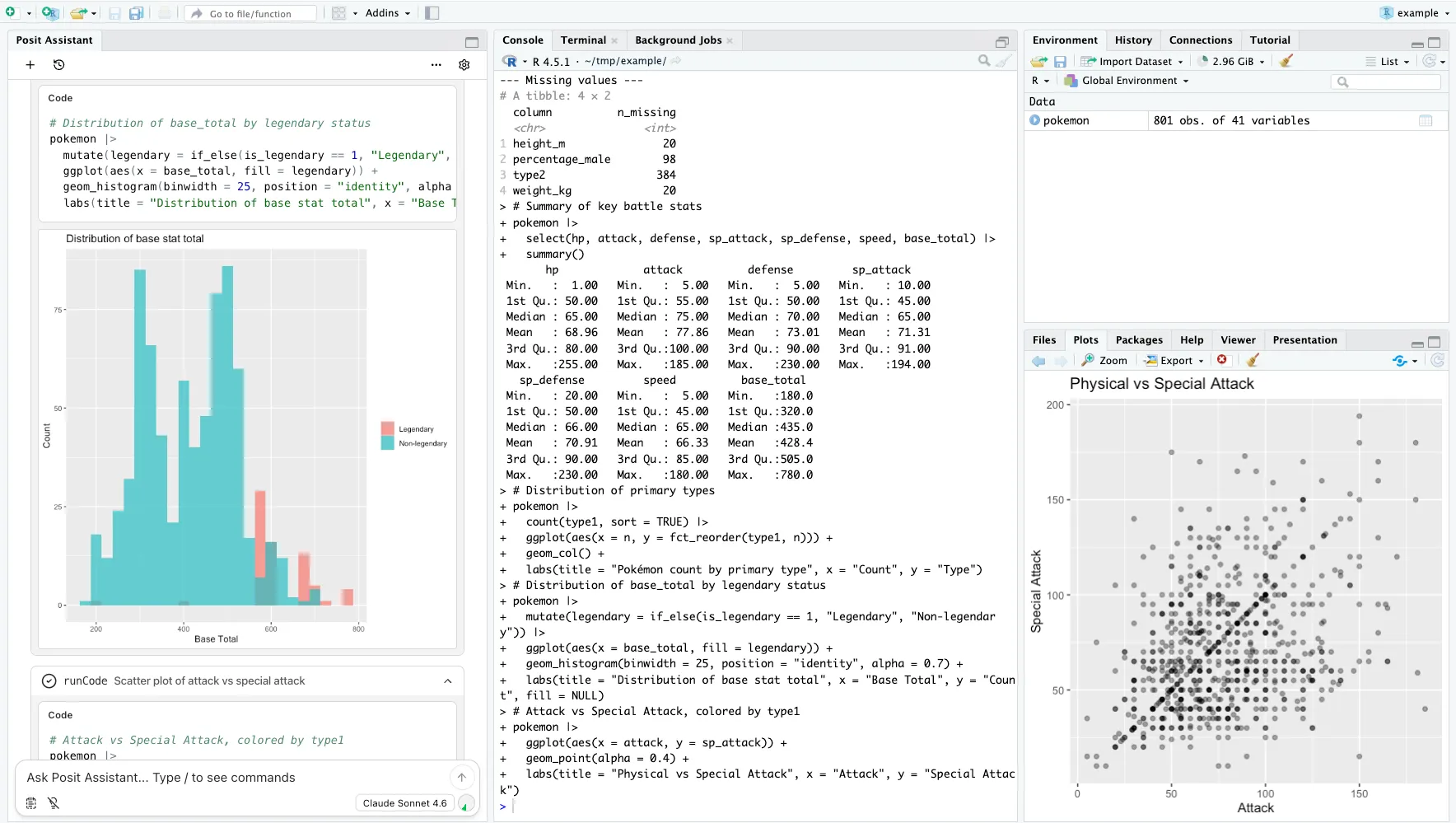
Screenshot from the Posit Assistant documentation: chat-based exploratory data analysis with a generated summary and visualization.

Why Students Still Need to Learn Coding When AI Writes the Code

On coding literacy, new assessment formats, and data science education in 2026.
DataScience
Teaching
Programming
AI
LLMs
Didactics
Why generative AI does not make coding fundamentals obsolete, but makes reading, reviewing, debugging, and taking responsibility for code more important.

Jun 23, 2026
Michael Bücker

AI in Teaching: From LLMs to Agentic AI

An experience report from a lecture where model understanding, infrastructure, and governance come together.
Teaching
AI Agents
LLMs
Didactics
The conversation around generative AI has shifted quickly. Not long ago, the central question was whether a large language model could produce useful responses at all. In…
Mar 5, 2026
Michael Bücker

Prompt Classification with Classical Machine Learning

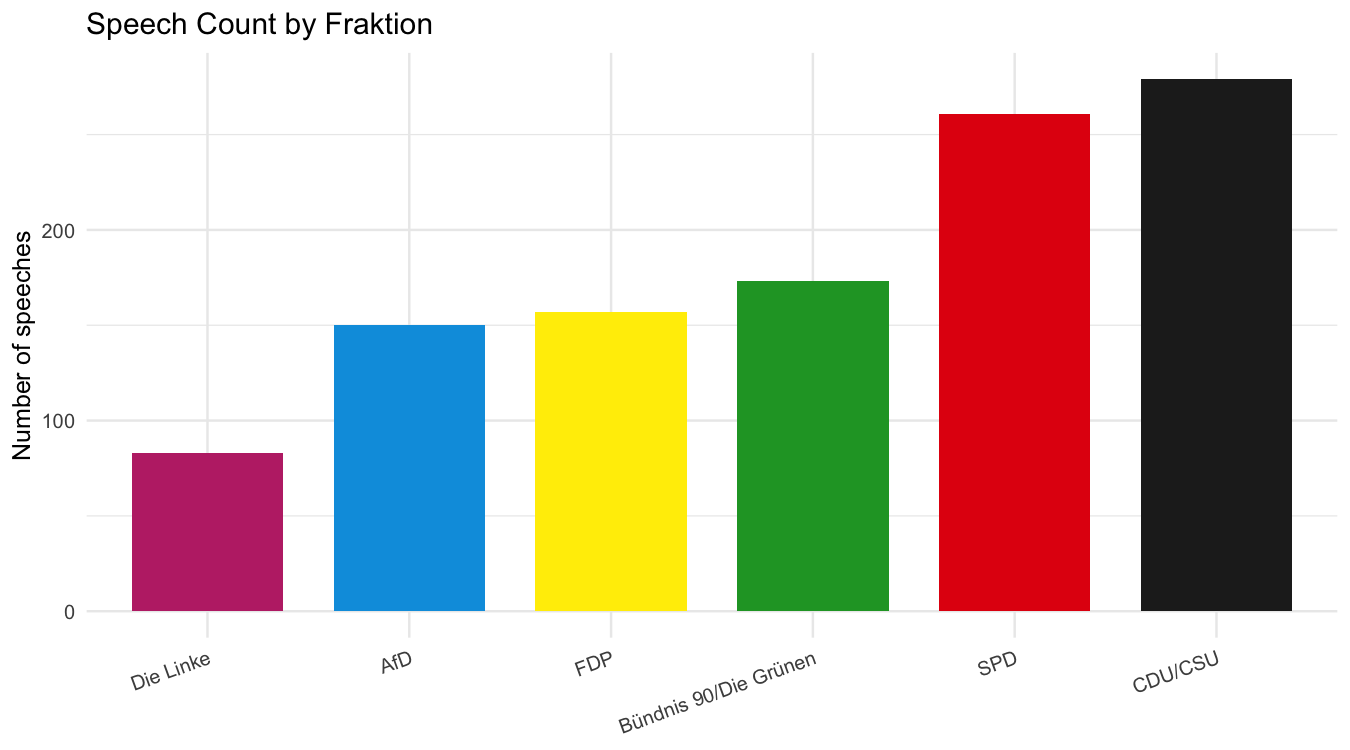
An embedding-based experiment using German Bundestag speeches
R
NLP
LLMs
Embeddings
Bundestag
AI-Act
I am currently working on the question of how prompts can be classified before execution to support governance decisions under the EU AI Act (European Union 2024).
Feb 23, 2026
Michael Bücker

Why I Still Program in R in 2026

On mother tongues, quality gaps, and the quiet comeback of an underestimated language.
R
Python
DataScience
Programming
R or Python? This question has been asked in the data science community so often that it has almost become a meme — articles, blog posts, LinkedIn threads, conference…
Feb 18, 2026
Michael Bücker

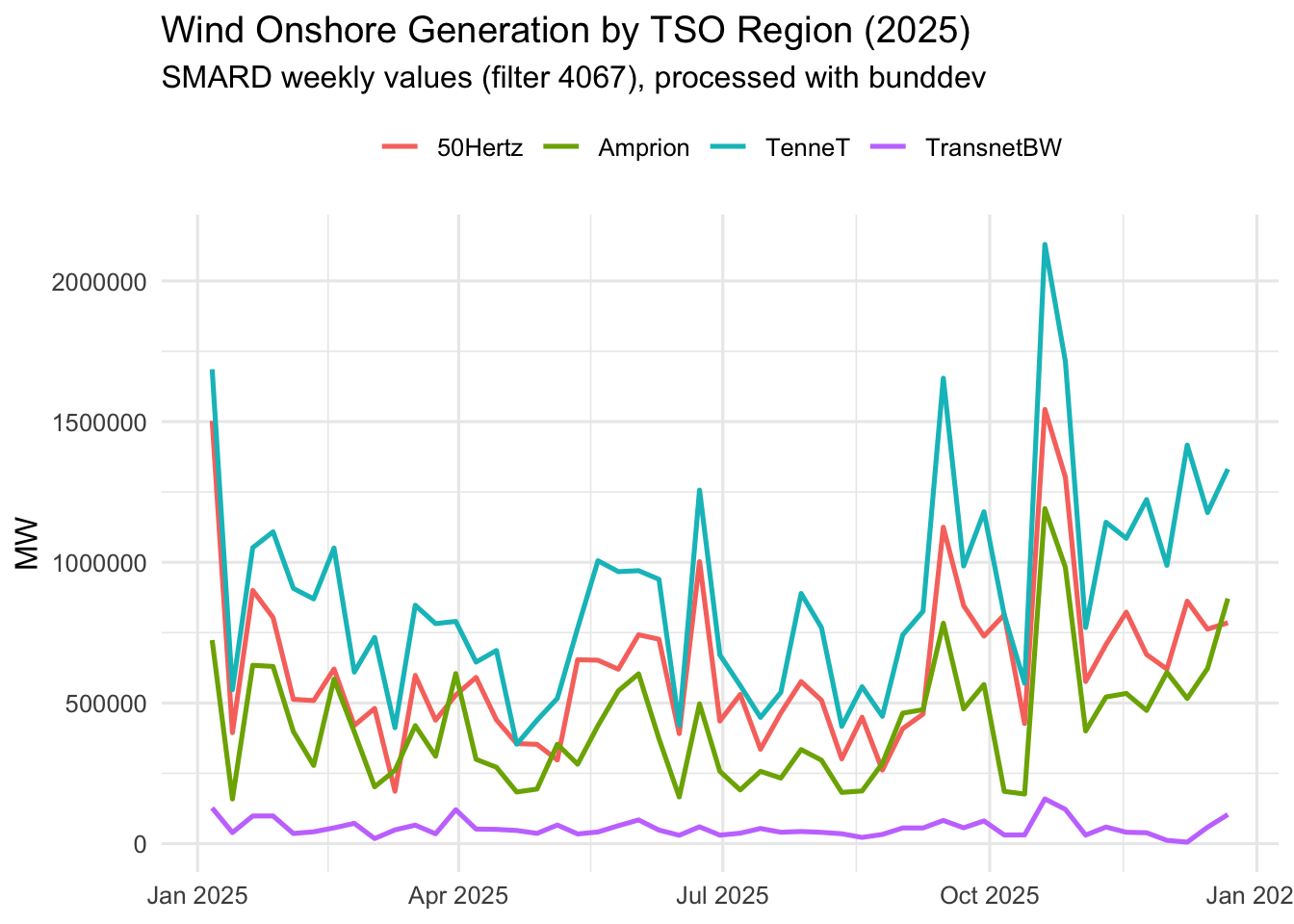
bunddev: Making bund.dev Analytically Usable in R

From the bund.dev idea to real API constraints and a three-layer R architecture.
R
OpenData
APIs
DataScience
bund.dev is a central infrastructure layer for discovering and documenting APIs from German federal institutions.1 bunddev translates that principle into an R-oriented…
Feb 15, 2026
Michael Bücker
No matching items
 

© 2026 Michael Bücker · Built with Quarto

Cookie Preferences